
In short:
- What Is Rigging and Why Does It Matter on Every Melbourne Crane Lift? Rigging is everything between the hook and the load — slings, chains, shackles, spreader bars, lifting lugs and tag lines — plus the ticketed method used to attach, balance and control that load. The crane only ever lifts what the rigging holds, so the rigging plan decides the crane size, the crew and the timeline.
- Three separate roles are involved: the crane operator drives the machine, the dogger estimates the load and directs the crane, and the rigger sets up the lifting gear and any temporary supports. Crane operation, dogging and rigging are each high risk work licence classes under Australia’s WHS framework, and a licensed crane operator is a legal requirement.
- On a dry hire crane you supply the licensed operator, dogger and rigger, current inspection records for your lifting gear and a documented lift plan. Budget realistically: rooftop HVAC crane lifts in Melbourne typically run $800 to $4,500, driven by crane size, reach over the building, time on site, travel, permits and traffic management.
Most crane hire articles treat rigging as a footnote to the machine. It is the other way around. Over the past 25 years working on some of Australia’s largest and most complex lifting projects, we have found that the rigging method is what usually sets the crane, not the reverse — which is why our team asks about slings, lift points and load weights before a dry hire crane leaves a Victorian depot.
What Is Rigging on a Crane Lift?

Rigging, in plain terms, is the gear and the method used to connect a load to a crane hook and keep it under control while it moves.
That includes:
- Slings — synthetic round slings, flat webbing slings, wire rope or chain slings
- Connecting hardware — shackles, hooks, master links, eye bolts
- Load-spreading gear — spreader bars and lifting beams that keep slings vertical and protect a long or fragile load
- Attachment points — certified lifting lugs, engineered pad eyes or designated pick points on plant
- Control gear — tag lines to stop a load rotating in wind, plus edge protection where a sling crosses a sharp corner
The three site roles are distinct. The operator runs the crane. The dogger assesses the load and directs the crane when the operator cannot see it. The rigger sets up the lifting gear, slinging arrangement and any temporary structures. On a big pick, all three are different people.
What Is Rigging and Why Does It Matter on Every Melbourne Crane Lift? Safety and the Law
A licensed crane operator is a legal requirement under Australian workplace health and safety law, and CraneLift operates to that standard on every job. Dogging and rigging sit alongside it as separate high risk work licence classes.
Under the model WHS Regulations published by Safe Work Australia, the relevant classes are:
- Dogging (DG) — slinging techniques and directing a crane operator on loads out of view.
- Basic rigging (RB) — movement of plant, steel erection, safety nets and static lines.
- Intermediate rigging (RI) — cranes and conveyors, hoists, demolition rigging and dual lifts.
- Advanced rigging (RA) — gin poles, flying foxes and complex suspended equipment.
Two technical points matter on every lift. First, rigging gear weight counts as part of the load — a heavy spreader bar and chains can absorb a meaningful slice of your capacity. Second, sling angle multiplies force: with a two-leg sling at a 120-degree included angle, each leg carries tension roughly equal to the full weight of the load, compared with about 58% at 60 degrees. Flatter slings, higher forces.
Gear must be inspected and tagged before use, and damaged or out-of-date gear taken out of service. WorkSafe Victoria is clear on the duty to plan lifts and keep people out from under a suspended load — which is what exclusion zones and tag lines are for on Melbourne’s exposed, windy sites.
Who Handles Rigging on a Dry Hire Crane?
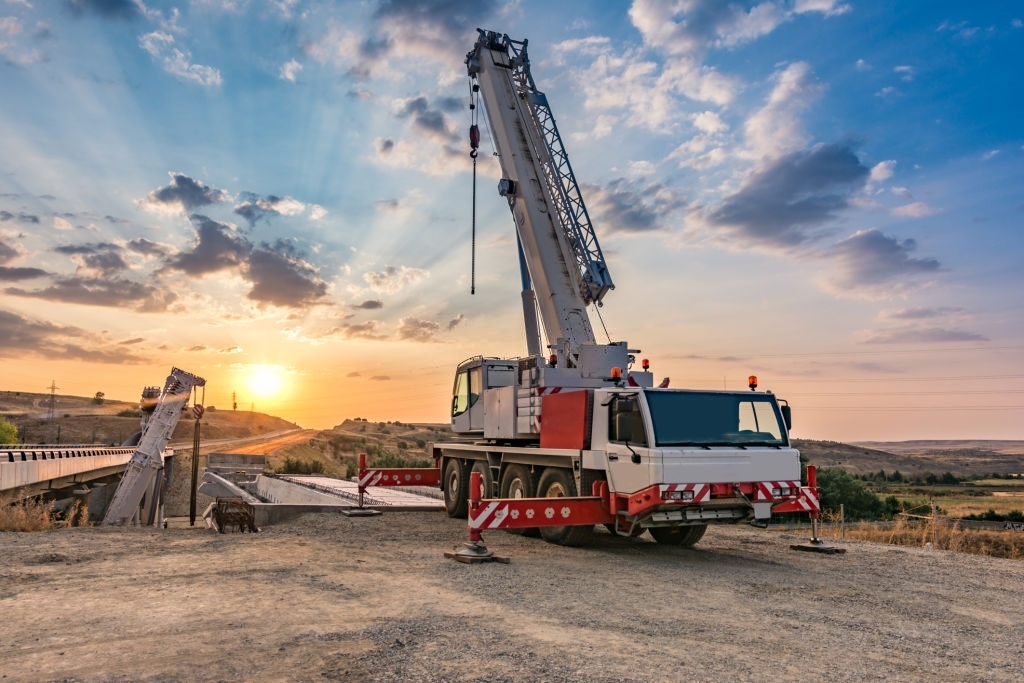
This is the most common misunderstanding we correct at booking.
Dry hire means we supply the machine and you supply the ticketed people who operate and rig it. With a supplied-operator arrangement, that responsibility sits with the crane provider. The distinction changes your obligations completely.
Before booking a dry hire crane, confirm you have:
- Current high risk work licences for crane operation, dogging and any rigging class the job needs
- Rigging gear with rated capacity tags and current inspection records
- A documented lift plan, including exclusion zones and a wind limit
- Site induction and, where required, traffic management and permits
At booking, our team checks crane capacity against load weight at radius, the access route, the set-up position, and whether you have rigging gear and tickets on site. Clear answers produce a firm, transparent price rather than an estimate that moves later.
A real-world example
On a warehouse fit-out in Melbourne’s west, the load was advised as comfortably within capacity — but it had to be placed further out than first described. Rigging decided the machine: a basket sling needed more headroom than the roof structure allowed, so a spreader bar went on instead, which added weight and reach. The job went out on a larger pick-and-carry rather than the machine originally requested.
Site Assessment: Where the Rigging Plan Is Actually Decided
A site assessment comes before crane selection, not after. You cannot choose a machine until you know where it can stand and how the load will be slung.
What we look at:
- Overhead powerlines, services and required clearance distances
- Ground bearing capacity, and whether crane pads or mats are needed
- Slab, basement and suspended-floor loading limits
- Swing radius, neighbouring buildings and boundary clearances
- Pedestrian and traffic control on tight inner-suburban streets
Then measure the real lift: weight, dimensions, centre of gravity, certified lifting points, and clear headroom above the load for slings and hardware.
A simple pre-hire sequence
- Confirm the load weight and dimensions from documentation, not memory.
- Identify certified lift points and the slinging method.
- Measure the lift height and the radius from the crane’s likely set-up position.
- Assess ground conditions and access width, including gate and laneway pinch points.
- Check overhead and underground services.
- Decide crew, permits and exclusion zones — then select the crane.
Tight access is normal here. Narrow laneways and residential blocks around crane hire in Footscray, Kew and Williamstown often mean the crane sets up close and rigging must be short, precise and well controlled.
Crane Types and How Rigging Changes Your Choice

Our fleet is matched to these constraints, and load charts for each machine are published on our fleet page:
- 20 tonne Franna — pick-and-carry for confined yards, factory floors and residential blocks where a slewing crane cannot set up.
- 25 tonne Franna — the same manoeuvrability with extra capacity for heavier plant and steel.
- 35 tonne Humma — for heavier or longer-reach picks where capacity at radius is the limiting factor.
- Crane trucks — where transport and a single-item lift are combined, such as delivering and placing a package unit.
Remember that rated capacity falls as the load moves out from the machine. A 25 tonne rating is a maximum at minimum radius, not a promise at 12 metres.
Common Misconceptions About Rigging and Crane Hire
- “The crane company handles the rigging.” Not automatically. On dry hire, your ticketed personnel rig the load.
- “If the crane is rated for the weight, we’re fine.” Capacity reduces with radius and boom configuration, and rigging gear adds weight.
- “Any sling will do.” Rated capacity, hitch type, sling angle and edge protection all change the safe working load.
- “A bigger crane is always the safer choice.” A larger machine may not fit the access, the ground conditions or the set-up area.
- “Rigging slows the job down.” Poor rigging is what causes re-lifts, damaged loads and standby time.
What Rigging Adds to the Cost of a Melbourne Crane Lift
Cost drivers on a typical lift:
- Crane size and configuration
- Duration on site
- Travel from depot
- Number of ticketed personnel required
- Rigging gear hire
- Engineering input or a lift study for complex picks
As a reference point, rooftop HVAC crane lifts typically range from $800 to $4,500, depending on unit weight, reach over the building, access and time on site.
Costs teams often miss:
- After-hours and weekend rates
- Permits and traffic management
- Crane mats or pads for soft ground
- Standby time waiting on trades or a rigger
- A second attendance because the load was not ready to be rigged
Accurate load and access details up front are what turn a rough estimate into a firm, transparent quote. Our depots across Victoria also keep travel components shorter and delivery quicker. You can read more about how we work on our about us page.
Get Your Lift Rigged and Planned Properly — Request a Quote

Rigging decides the crane, the crew, the timeline and the price. Get it right on paper and the lift itself is usually uneventful.
Have this ready when you contact us:
- Load weight and dimensions
- Lift height and radius
- Site address and access constraints
- Preferred date and expected duration
- Whether you have rigging and dogging tickets on site
Contact CraneLift to talk through your lift and request a quote for dry hire crane hire across Melbourne and regional Victoria.


